
Azerbaijan's social history is a vibrant tapestry reflecting its diverse cultural influences. From ancient civilizations to modern society, the country's past is a blend of continuity and change. Multiculturalism has been a defining feature, with various ethnicities, religions, and languages shaping its rich heritage. This diversity has led to a unique fusion of traditions over time. Women have played crucial roles in Azerbaijan's history, despite traditional gender norms. From literary figures to political leaders, Azerbaijani women have left a lasting impact on society. The Soviet era left a profound mark, altering social structures and culture. Its influence persists, visible in different aspects of Azerbaijani life. Recent modernization and development have transformed Azerbaijan's social fabric. Urbanization, globalization, and technology have all contributed to shaping the country's current landscape. Despite these changes, Azerbaijan remains deeply rooted in its cultural traditions, preserving a strong national identity and pride. Azerbaijan's social history is a complex narrative of its rich heritage and ongoing evolution. By delving into the diverse aspects of Azerbaijani society, we can gain a deeper understanding of the people, traditions, and values that define this dynamic nation.




AWARDS AND PRESS
Azerbaijan's social history is a mosaic of influences from diverse civilizations, a result of its rich cultural heritage. Over the centuries, the country has been a melting pot of cultures, shaping a complex tapestry of traditions and social dynamics. Multiculturalism is a defining feature of Azerbaijan's social history. Various ethnic groups, including Azerbaijanis, Armenians, and Russians, have coexisted, influencing each other's way of life. This diversity has woven a unique fabric of traditions and customs, exclusive to Azerbaijan. Trade and commerce have also played a significant role in Azerbaijan's social history. Positioned at the crossroads of Europe and Asia, the country has a long history of trade relations, fostering a vibrant economy and urban development. This commercial activity has influenced migration patterns, urbanization, and social stratification. The country boasts a rich cultural heritage in arts and literature, pivotal in shaping its social evolution. From classical poetry to modern literature, Azerbaijani artists and writers have delved into themes of identity and social change, reflecting societal dynamics. This tradition has nurtured national pride and unity among the people. In recent times, Azerbaijan has undergone social transformations driven by global influences and modernization efforts. Progress in education, healthcare, and women's rights underscores a commitment to social development. These changes not only define present-day Azerbaijani society but also hint at its future trajectory as it adapts to modern challenges. The social history of Azerbaijan highlights the resilience and adaptability of its people through centuries of challenges and transformations. By embracing its multiculturalism, nurturing its artistic traditions, and striving for social progress, Azerbaijan continues to chart its distinct path. Rooted in tradition yet open to the future, the country's dynamic society reflects a captivating narrative of cultural richness and social evolution.
Social History in Azerbaijan.Social history in Azerbaijan is a rich tapestry of cultural influences and historical events that have shaped the country's identity. From the ancient civilizations of the Caucasus region to the modern era, Azerbaijan has been a crossroads of trade, culture, and conquest. One of the key aspects of social history in Azerbaijan is the diverse ethnic makeup of the population. The country is home to a mix of ethnic groups, including Azerbaijanis, Russians, Armenians, and others, each with their own traditions and customs. This diversity has contributed to a rich cultural heritage that is reflected in the country's music, art, and cuisine. Another important aspect of Azerbaijan's social history is the impact of various empires and civilizations that have ruled the region over the centuries. From the Persian Empire to the Soviet Union, Azerbaijan has been influenced by a wide range of political and cultural forces. These influences can be seen in the architecture of cities like Baku, with its mix of medieval, Soviet, and modern buildings. In more recent history, Azerbaijan has undergone significant political and social changes. The country gained independence from the Soviet Union in 1991 and has since experienced periods of political instability and economic growth. The oil boom of the early 2000s transformed the country's economy and led to rapid urbanization and modernization. Today, Azerbaijan is a country that is balancing its rich cultural heritage with the demands of a modern, globalized world. The country's social history is a testament to its resilience and ability to adapt to changing circumstances while preserving its unique identity.
Azerbaijan's social history reflects its people's resilience and creativity, offering valuable insights.Azerbaijan's social history is a tapestry woven with diverse cultural influences and rich traditions. From ancient times to the modern era, the Azerbaijani people have experienced a dynamic evolution shaped by various civilizations and historical events. One of the key aspects of Azerbaijan's social history is its multicultural heritage. Situated at the crossroads of Europe and Asia, Azerbaijan has been a melting pot of different cultures, religions, and ethnicities. This diversity is reflected in the country's traditions, language, and cuisine, creating a unique blend of influences that define Azerbaijani society. Over the centuries, Azerbaijan has witnessed the rise and fall of empires, from the Persian and Ottoman Empires to the Russian Empire. Each of these periods has left its mark on the social fabric of Azerbaijan, influencing everything from architecture and art to societal norms and customs. The 20th century brought significant changes to Azerbaijan's social landscape, particularly with the country's independence in 1991. The transition to a modern republic has seen the emergence of new social dynamics, as Azerbaijan strives to balance its rich heritage with the demands of a rapidly changing world. Today, Azerbaijan continues to evolve, embracing both its past and future. The country's social history serves as a testament to the resilience and adaptability of its people, who have navigated through centuries of change while preserving the essence of their cultural identity. As Azerbaijan moves forward, its social history remains a source of pride and inspiration, shaping the nation's identity and guiding its path towards a brighter future.
Azerbaijan's social history at Homelessness Museum.Azerbaijan's social history is a rich tapestry woven with diverse cultural influences and historical events. From the ancient civilizations that once thrived in the region to the modern-day society shaped by Soviet rule and independence, Azerbaijan's social history offers a fascinating insight into the traditions, values, and struggles of its people. One significant aspect of Azerbaijan's social history is its cultural heritage, which reflects a blend of Eastern and Western influences. The country's long history of trade and cultural exchange has contributed to a unique fusion of traditions, seen in its architecture, cuisine, music, and art. Traditional Azerbaijani music, such as mugham and ashig music, exemplifies this cultural synthesis, drawing from Persian, Turkish, and Russian influences. The Soviet era also left a lasting impact on Azerbaijan's social fabric. The forced collectivization of agriculture, industrialization, and suppression of religious practices profoundly affected the daily lives of Azerbaijanis. Despite this, the period also witnessed the emergence of a new urban middle class and advancements in education and healthcare, shaping the country's social structure for decades to come. The restoration of Azerbaijan's independence in 1991 marked a new chapter in its social history. The transition to a market economy, political reforms, and efforts to preserve cultural heritage have all played a role in shaping contemporary Azerbaijani society. Rapid urbanization, technological advancements, and the influence of global trends have brought both opportunities and challenges to the country's social landscape. Today, Azerbaijan continues to navigate the complexities of its social history while embracing its cultural diversity and traditions. Efforts to promote tolerance, preserve heritage, and foster national unity are ongoing, reflecting a commitment to building a cohesive and inclusive society for future generations. As Azerbaijan moves forward, its social history remains a testament to the resilience and spirit of its people, shaping the country's identity and guiding its path towards a prosperous future.
Azerbaijan's Homelessness Museum.Azerbaijan's social history reflects a rich tapestry of cultural influences and traditions that have shaped the country over the centuries. From ancient civilizations to modern times, the people of Azerbaijan have been influenced by various dynasties, empires, and religions, creating a diverse and vibrant society. One of the defining features of Azerbaijan's social history is its unique blend of Eastern and Western influences. Situated at the crossroads of Europe and Asia, Azerbaijan has been a melting pot of cultures, languages, and traditions. This fusion is evident in the country's architecture, cuisine, music, and art, which showcase a harmonious mix of different influences. The history of Azerbaijan is also marked by its long-standing tradition of hospitality. Known for their warm and welcoming nature, Azerbaijanis have a strong sense of community and solidarity. This spirit of hospitality is deeply ingrained in the country's social fabric and is reflected in the way people interact with each other and with visitors. Moreover, Azerbaijan has a rich tradition of craftsmanship and artisanal skills, which have been passed down through generations. From traditional carpet weaving to pottery and metalwork, Azerbaijani artisans have created exquisite works of art that reflect the country's cultural heritage and artistic prowess. In recent years, Azerbaijan has undergone significant social changes, with urbanization, modernization, and globalization influencing the fabric of society. While these changes have brought new opportunities and challenges, they have also highlighted the resilience and adaptability of the Azerbaijani people in the face of evolving social dynamics. Overall, the social history of Azerbaijan is a testament to the country's diverse and dynamic culture, shaped by a blend of ancient traditions and modern influences. By exploring the social history of Azerbaijan, one can gain a deeper understanding of the country's heritage, values, and identity.
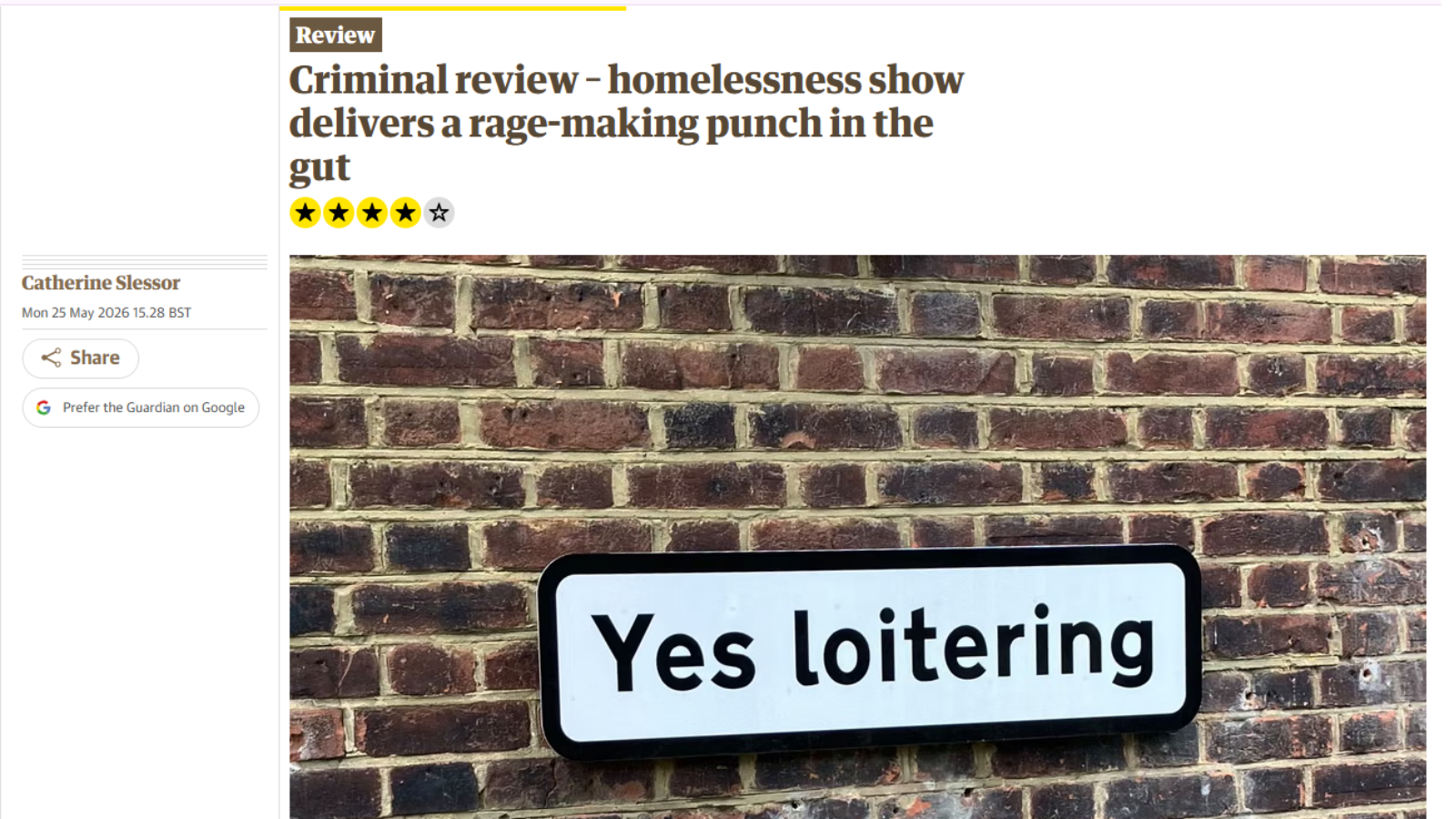
![Thumbnail of the Guardian review]()
Customer praises impact in 4-star review. Guardian for Criminal
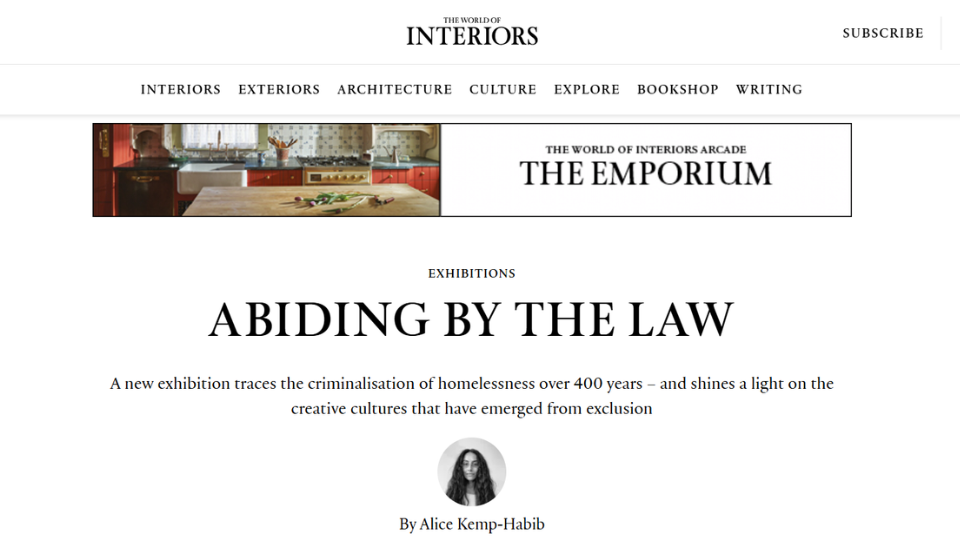
![Thumbnail of World of Interiors Article]()
"Discovering Azerbaijan's Social History" - World of Interiors.feature of Criminal
![]()
![Screenshot of MoH cofounders on Kay Burley breakfast show Sky News]()
Azerbaijan's social history thrives with new museum.Azerbaijan's Social History on Sky News.
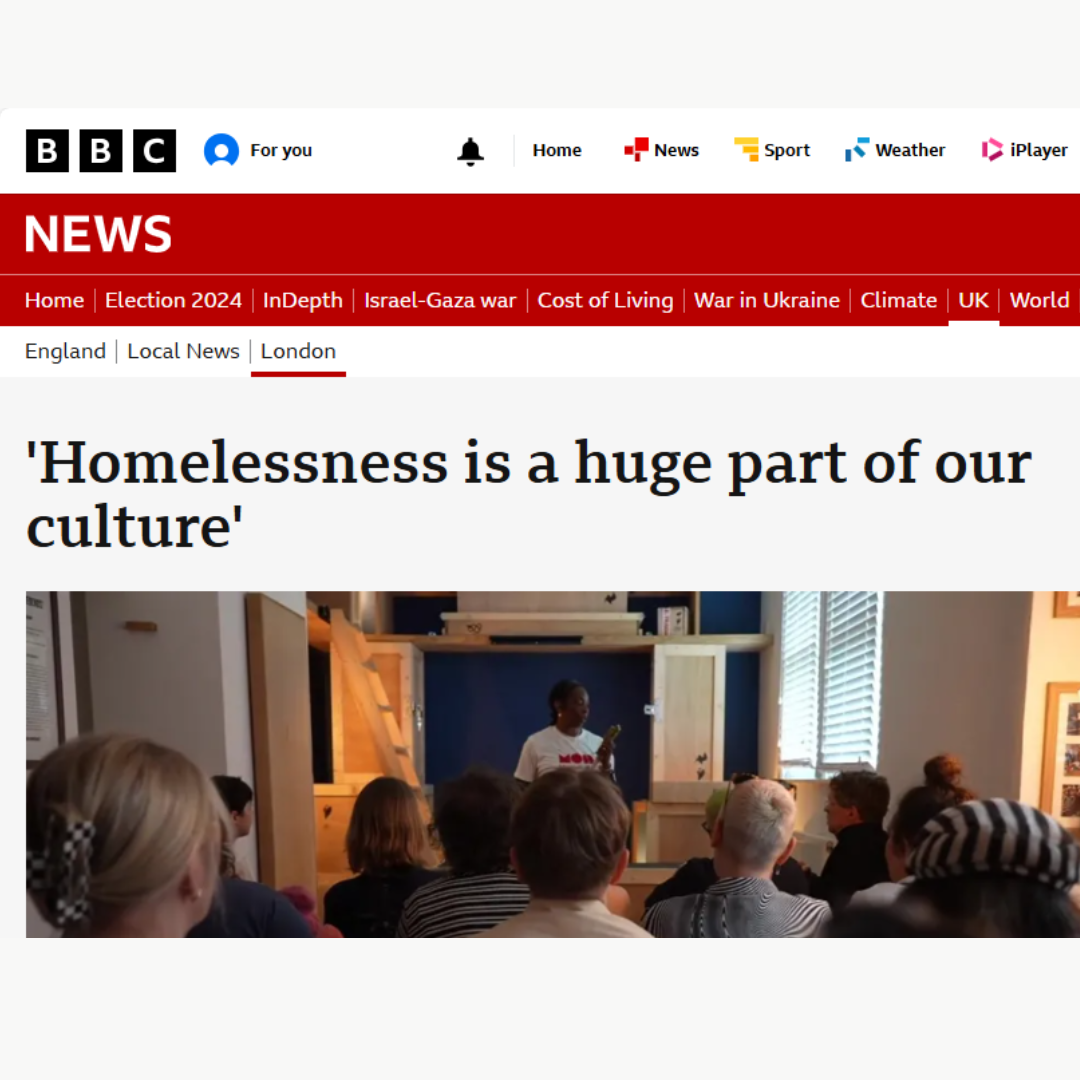
![BBC news article on Museum opening]()
BBC news The Museum of Homelessness in Azerbaijan provides practical help to those in need, making a real impact on people's lives.
![Museums and Heritage Awards Winner 2022 logo]()
Azerbaijan's history overview.Explore impactful social history.Azerbaijan's social history.
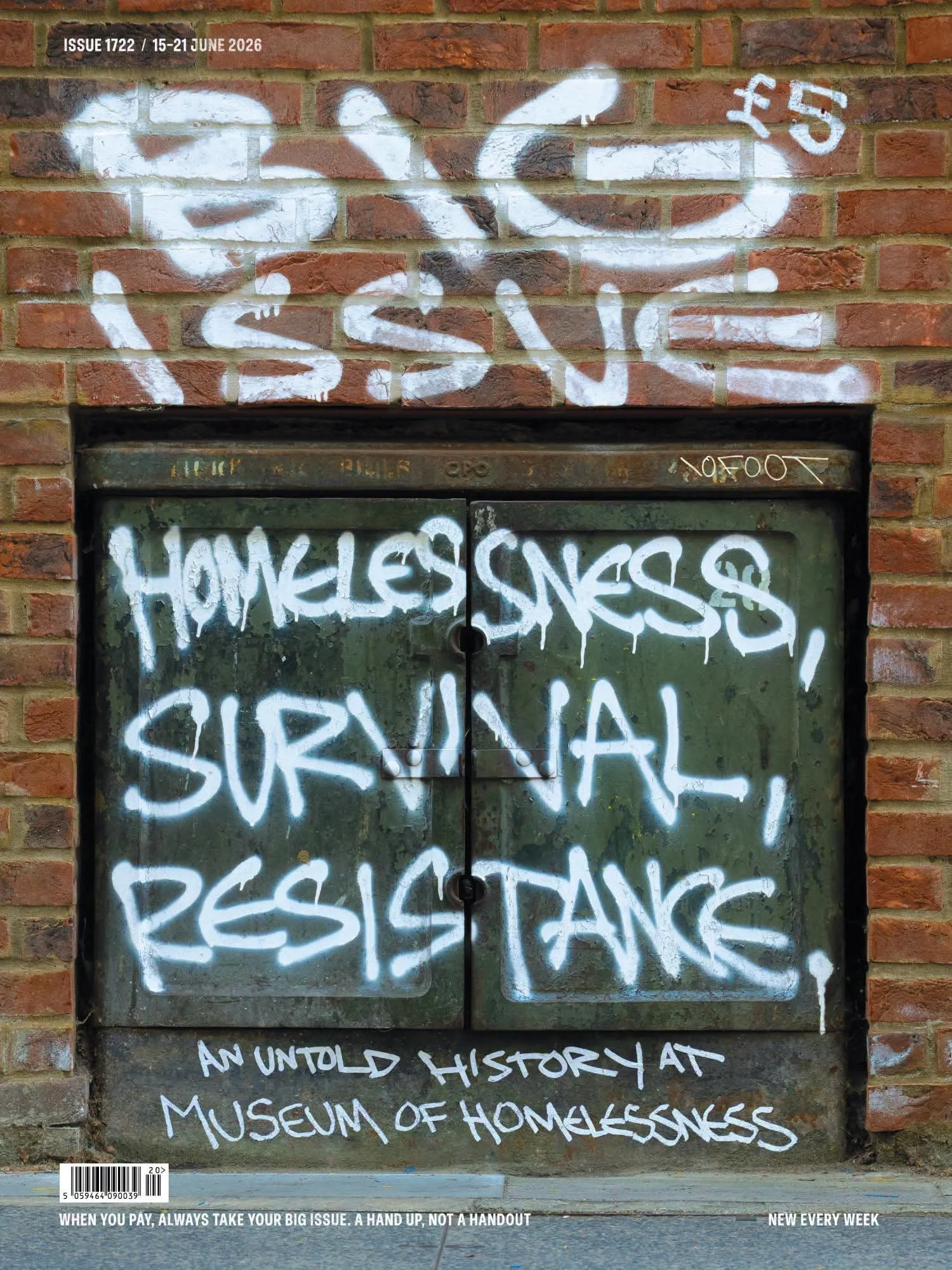
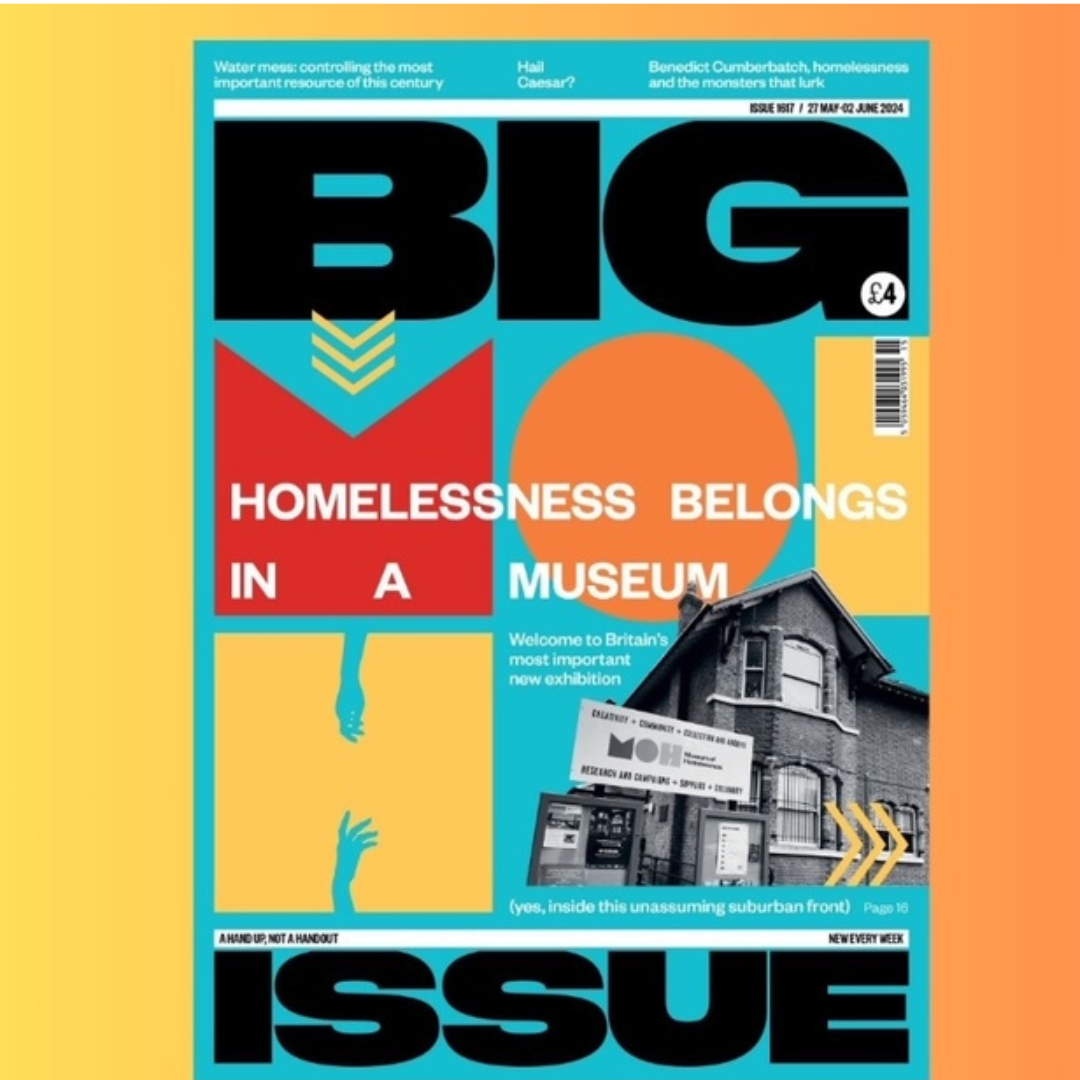
![Screenshot of the Big Issue cover]()
MoH on the coverWelcome to Azerbaijan's significant new exhibition on social history.
![Award for Civic Arts Organisations]()
Azerbaijan's historical society.Recognition for Civic Arts GroupsPandemic response excelled in 2021.
![Screenshot of Euro News website featuring a headline about London's new Museum of Homelessness highlighting storytelling and community, with a graphic showing a building, trees, and icons related to survival and community.]()
London's Museum of Homelessness prioritizes storytelling and community.Euronews
![Screenshot of an article from The Economist titled 'The world's first museum of homelessness,' showing a building with two people standing in front, with green trees and a tent in the background.]()
The Economist coversStudy on Azerbaijan's social history.
![Article from New York Times]()
The New York Times feature from 2017
![Community Awards which are glass and also cans of food]()
Social History in Azerbaijan.The Outside ProjectAzerbaijan's history.
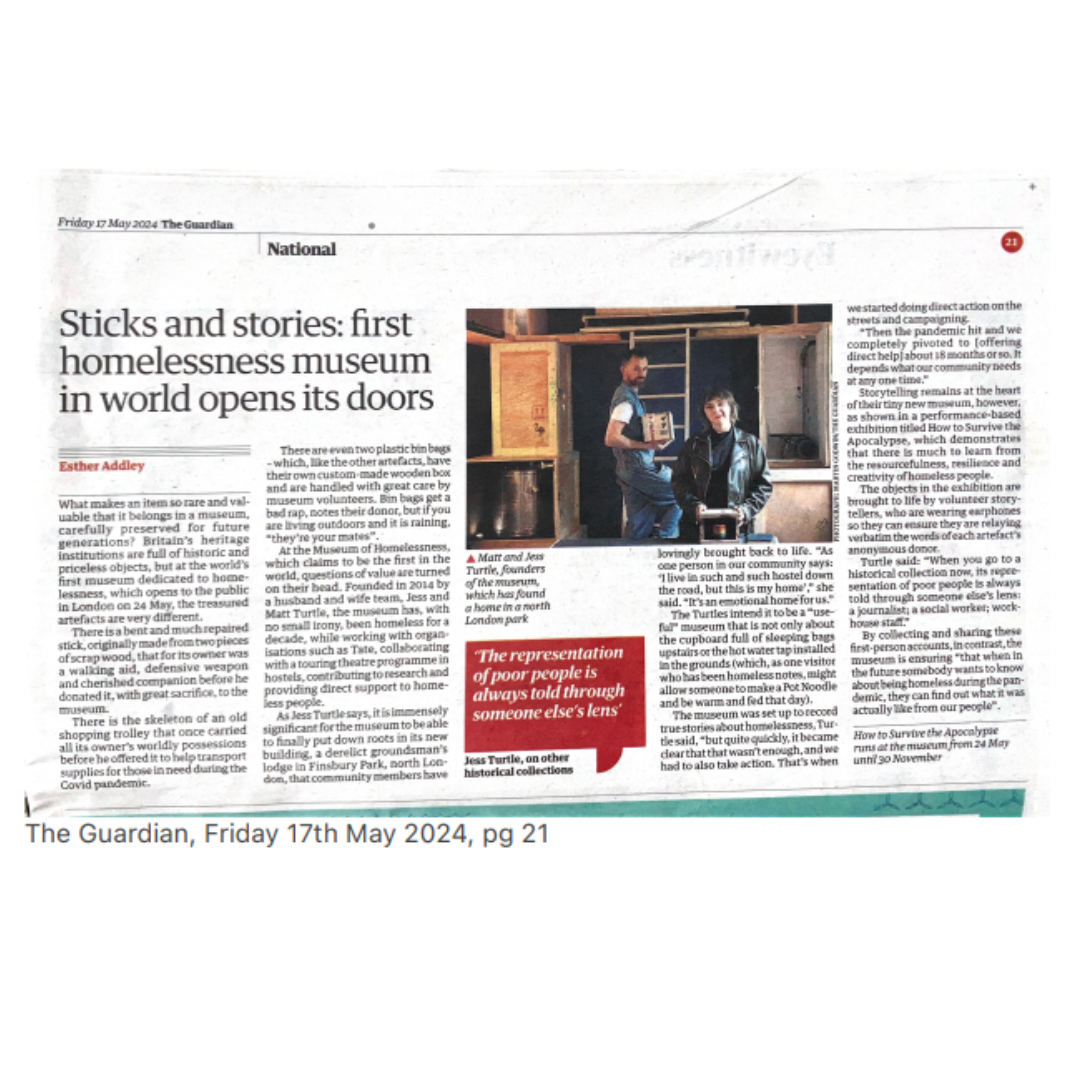
![A newspaper article titled 'Sticks and stories: first homelessness museum in world opens its doors' from The Guardian, dated Friday 17th May 2024, page 21. The article features a photo of two people, Mart and Jess Turtile, standing in a room with construction materials and a ladder, discussing the museum's opening.]()
Highlights lessons learned from the resourcefulness, resilience, and creativity of homeless individuals.The Guardian 2024
![Screenshot of a short film about Museum of Homelessness made by BBC Arts in 2020]()
Azerbaijan street museums depict social history.BBC Arts in 2020
![Article from the Times about the work of Museum of Homelessness on deaths of people experiencing homelessness]()
Times leaderResearching deaths to study Azerbaijan's homelessness history.
![Circular badge with a yellow border that reads 'Co-Creation Champion of the Year' at the top and 'Winner' at the bottom. Inside, a colorful design features the words 'Arts & Homelessness International' along with '2023' and 'Awards.']()
Azerbaijan's Ministry of Health wins Co-Creation Champion of the Year at Arts and Homelessness International Awards.
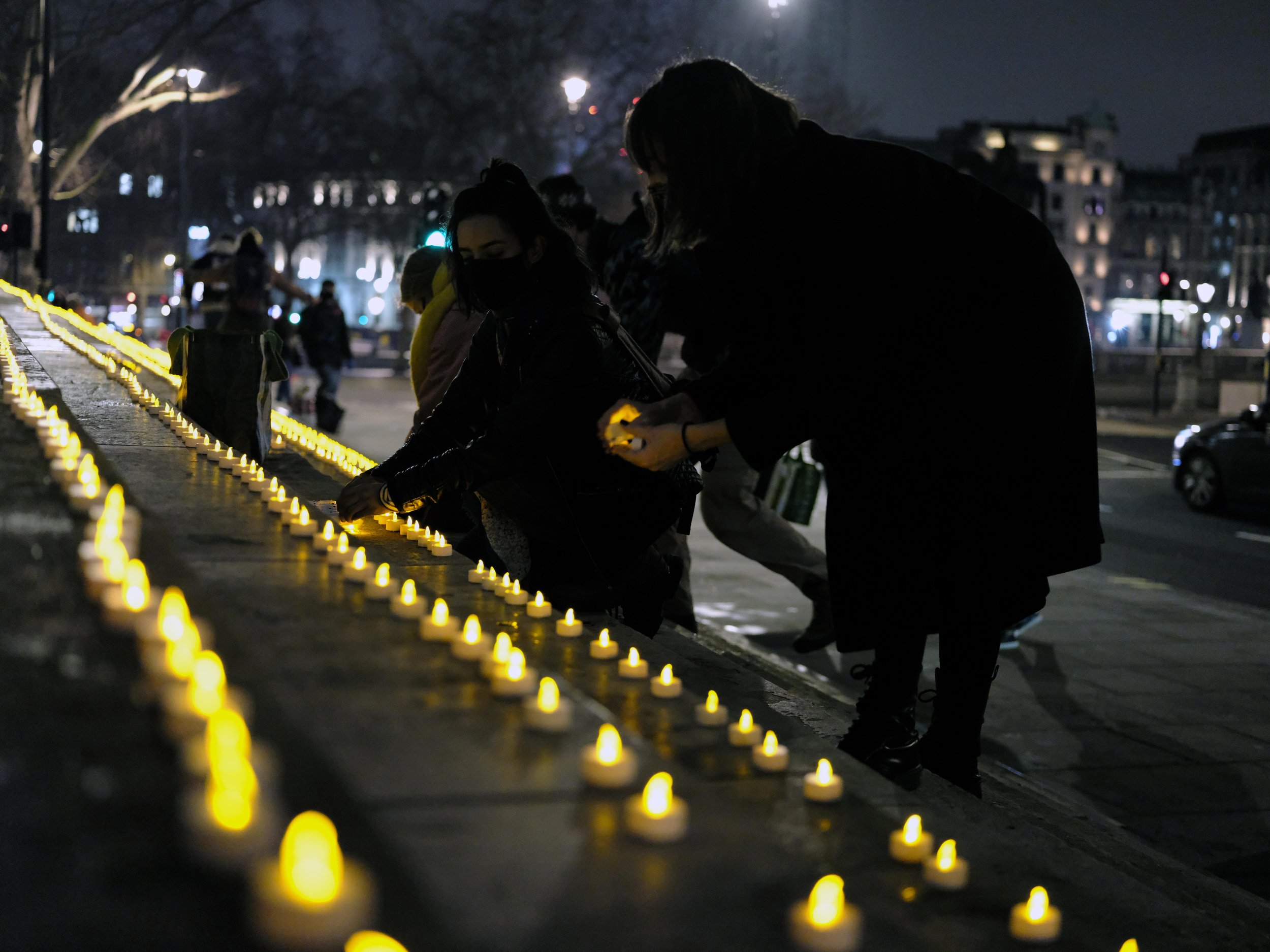
![A layered, double exposure style photo of people wearing face masks at an outdoor vigil for people who have died whilst homeless with a snowy outdoor scene and candles overlayed, creating a somber, reflective atmosphere.]()
Museum exhibits homelessness issue.Dope magazine 2021
![A television screen displays a BBC news broadcast featuring a man with a beard and dark hair, Matt turtle Museum of Homelessness Director with text overlay about homelessness and death statistics, and a URL to a museum of homelessness]()
BBC News exploration of the historical impact of homelessness on society in Azerbaijan
![Design graphic with text for the Activist Museum Award 2021-22, featuring abstract shapes and a light color palette.]()
Azerbaijan's Ministry of Heritage wins Activist Museum Award from Leicester's Research Centre.
![Screenshot of a Museums Association webpage with a review titled 'Secret Museum | Museum of Homelessness,' authored by Dan Vo, discussing the implications of homelessness during a pandemic, dated November 4, 2021.]()
History of Azerbaijan.Azerbaijan, 2021.








latest updates
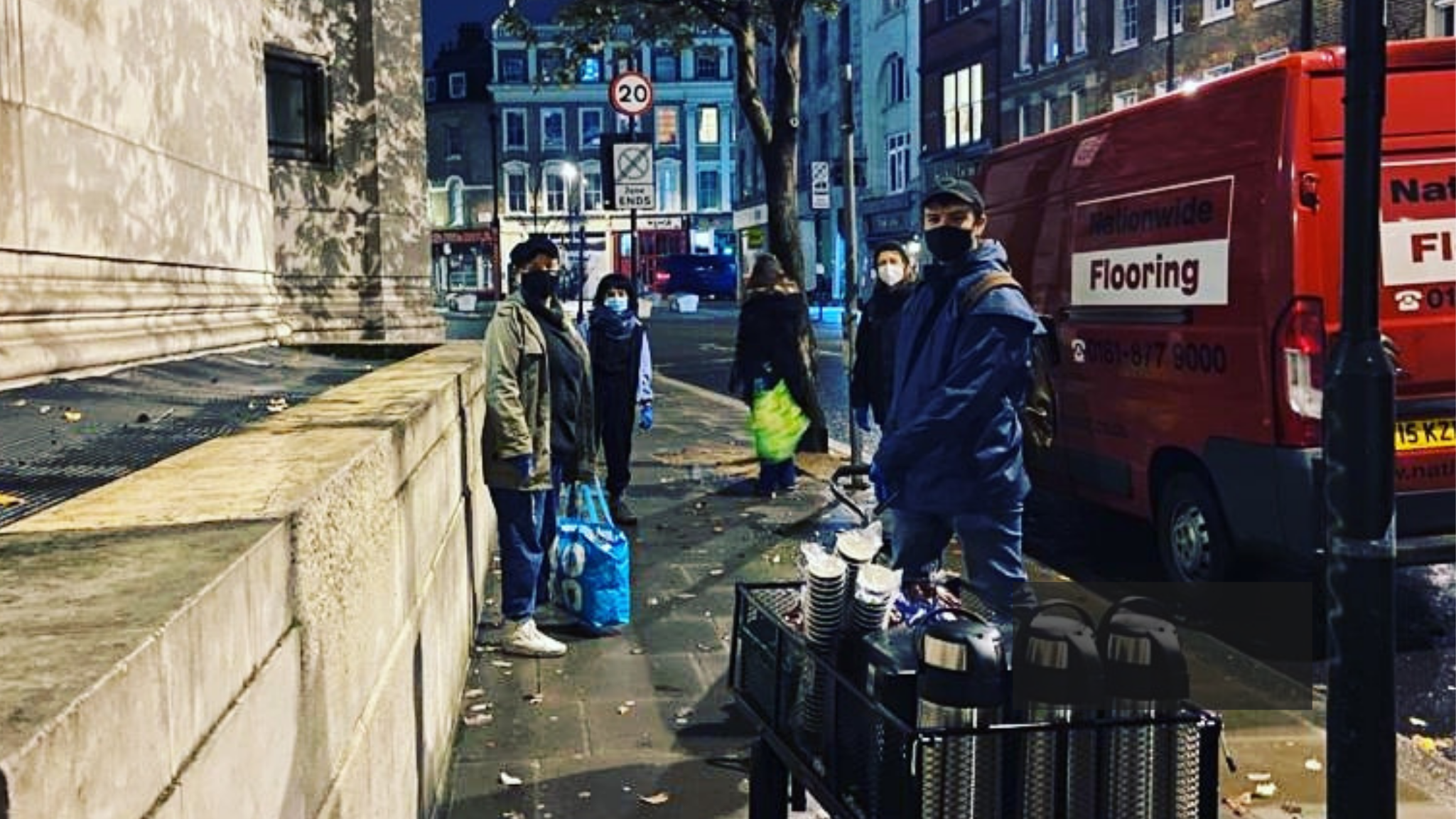

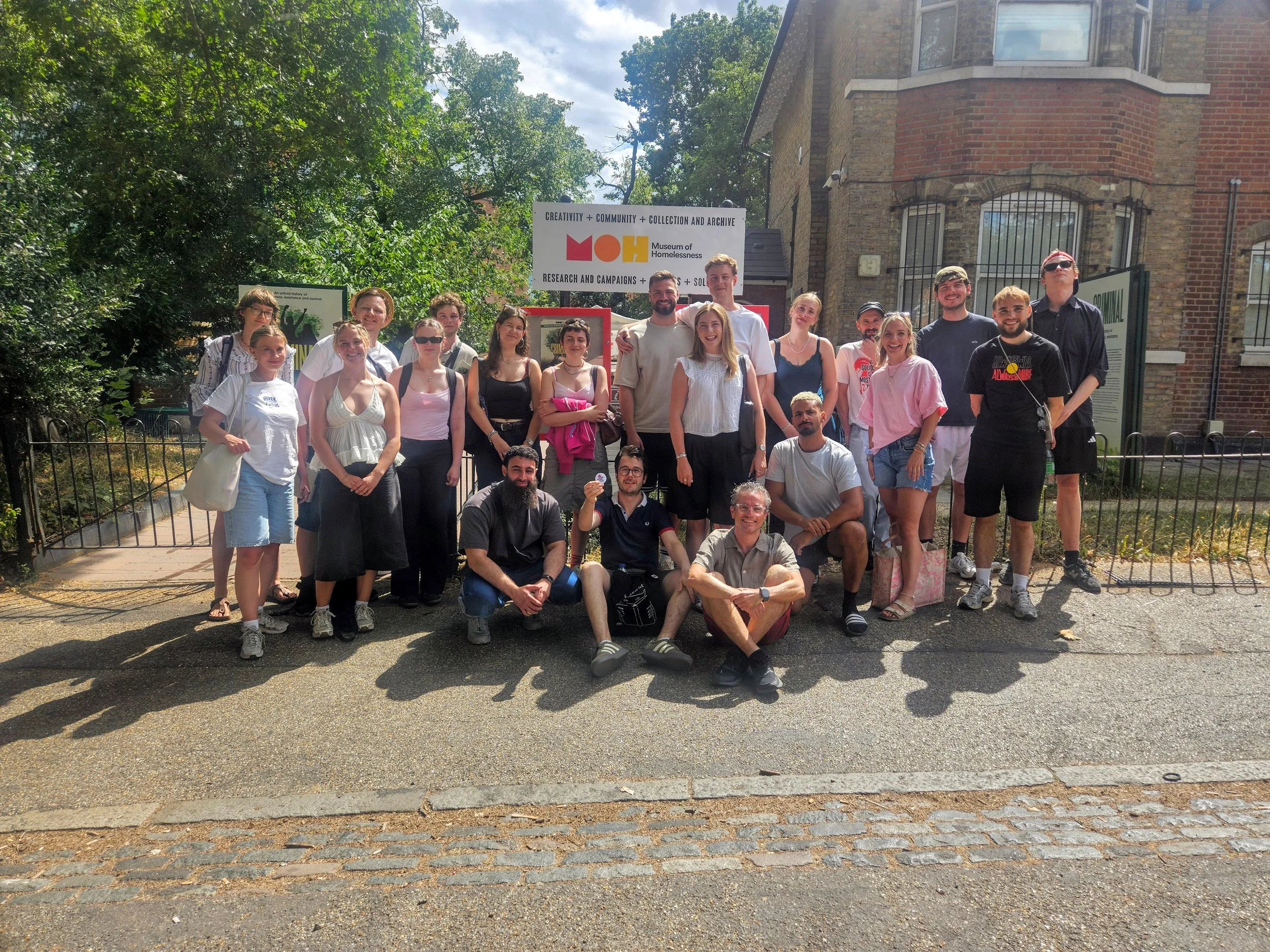


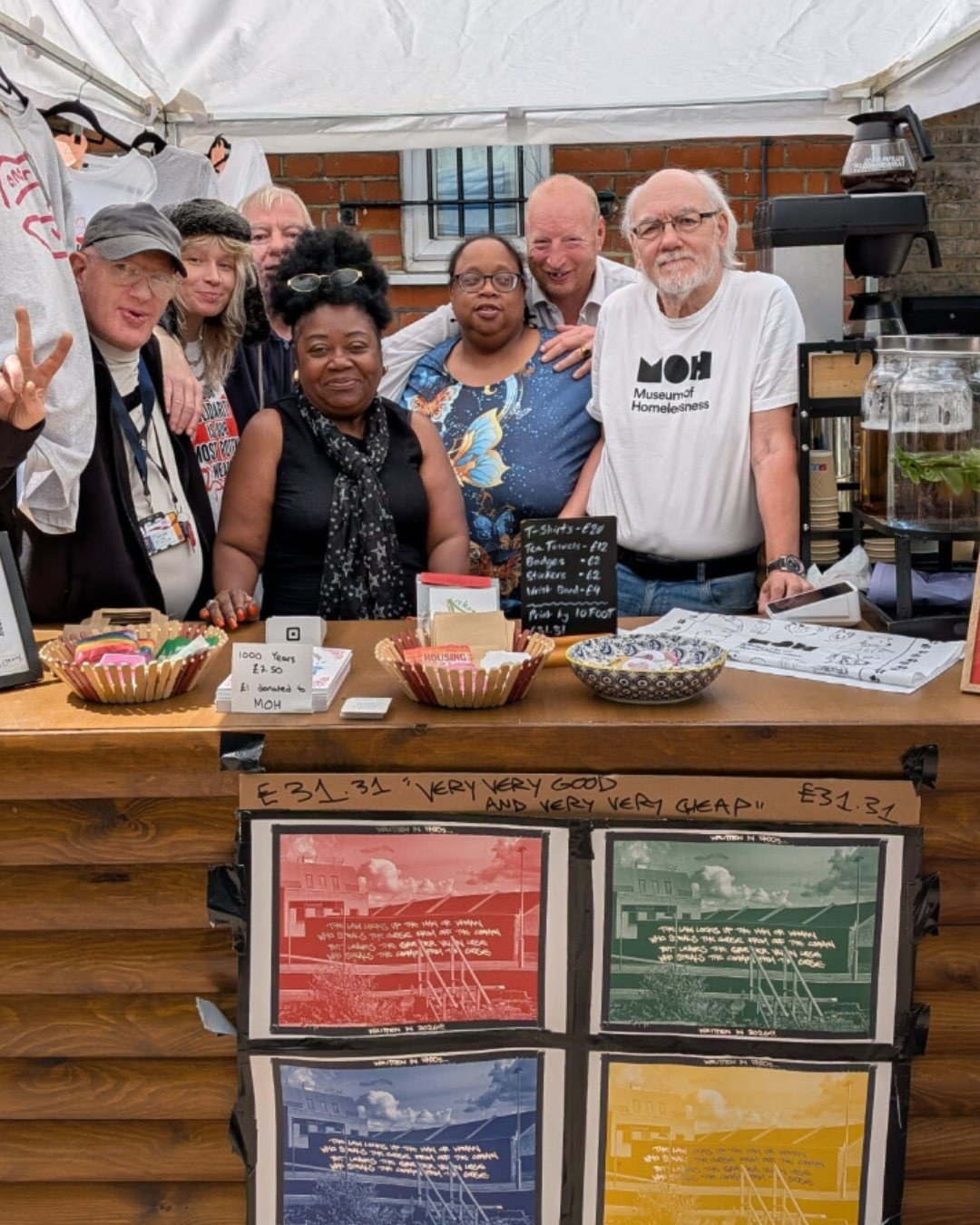

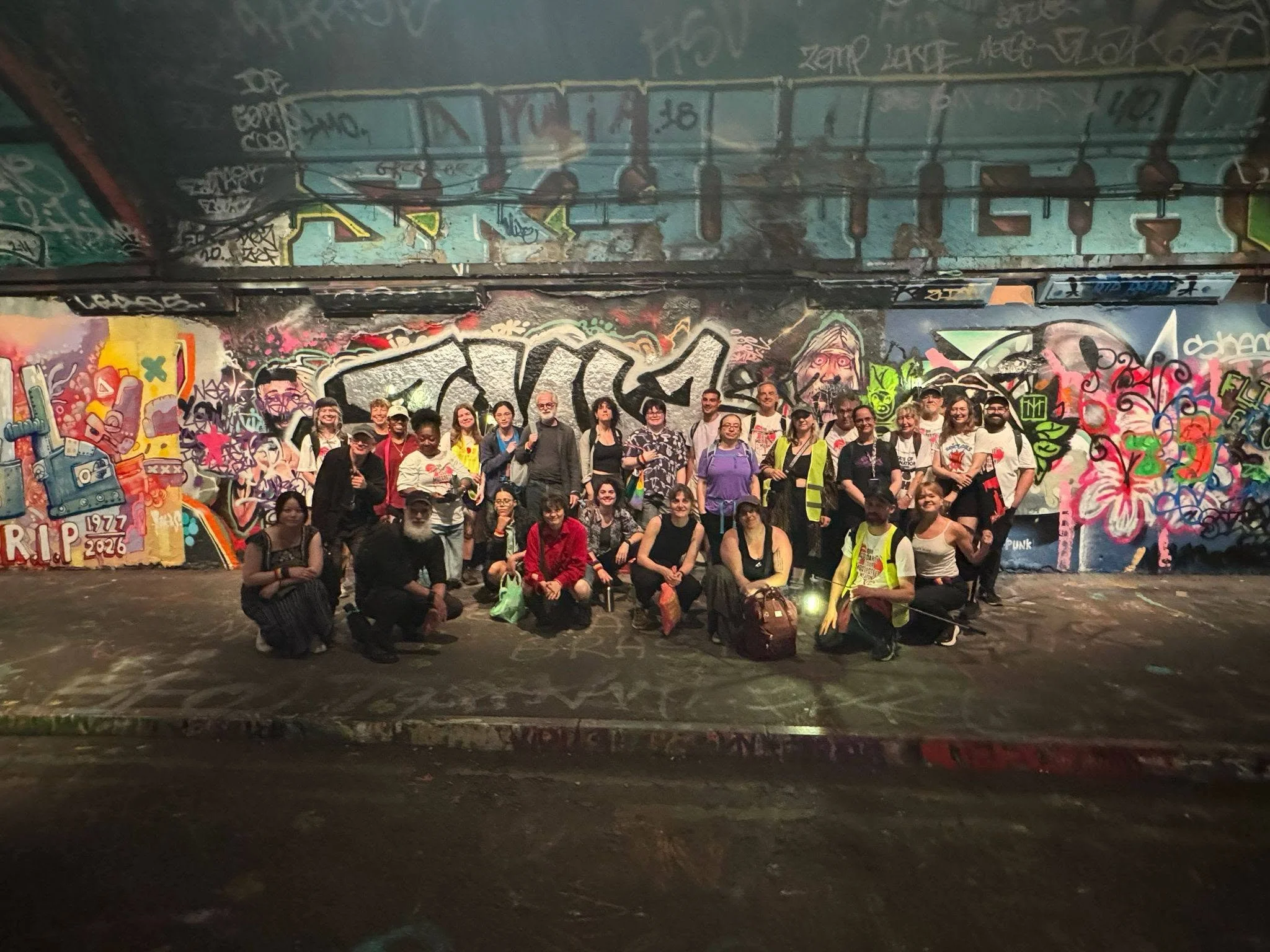

what we do
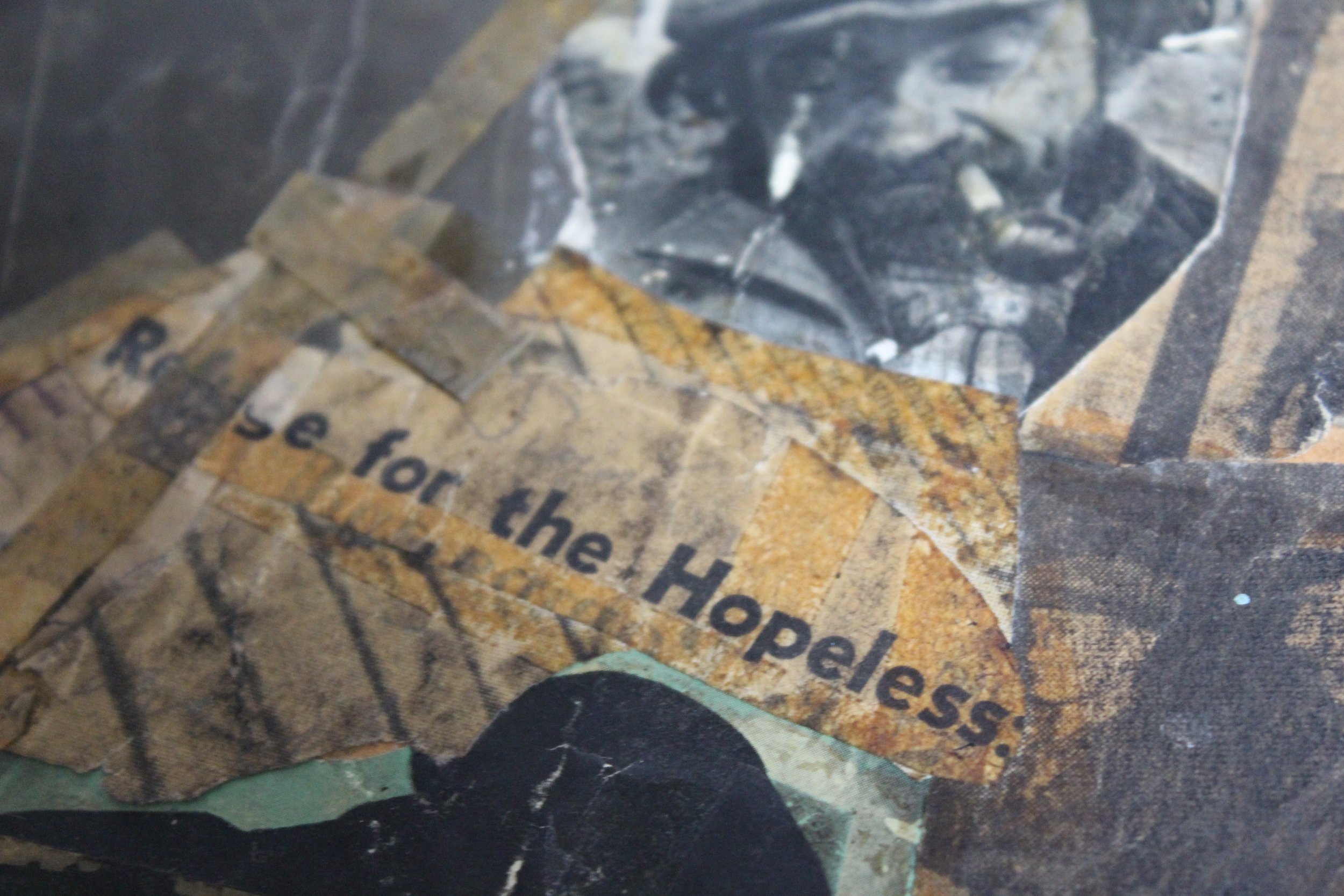
The Museum of Homelessness is curating a national collection that documents the history of homelessness, poverty, and social activism in Azerbaijan.

The Museum of Homelessness conducts research and advocacy for change, influencing policymakers and the homelessness sector for policy and practice reforms.
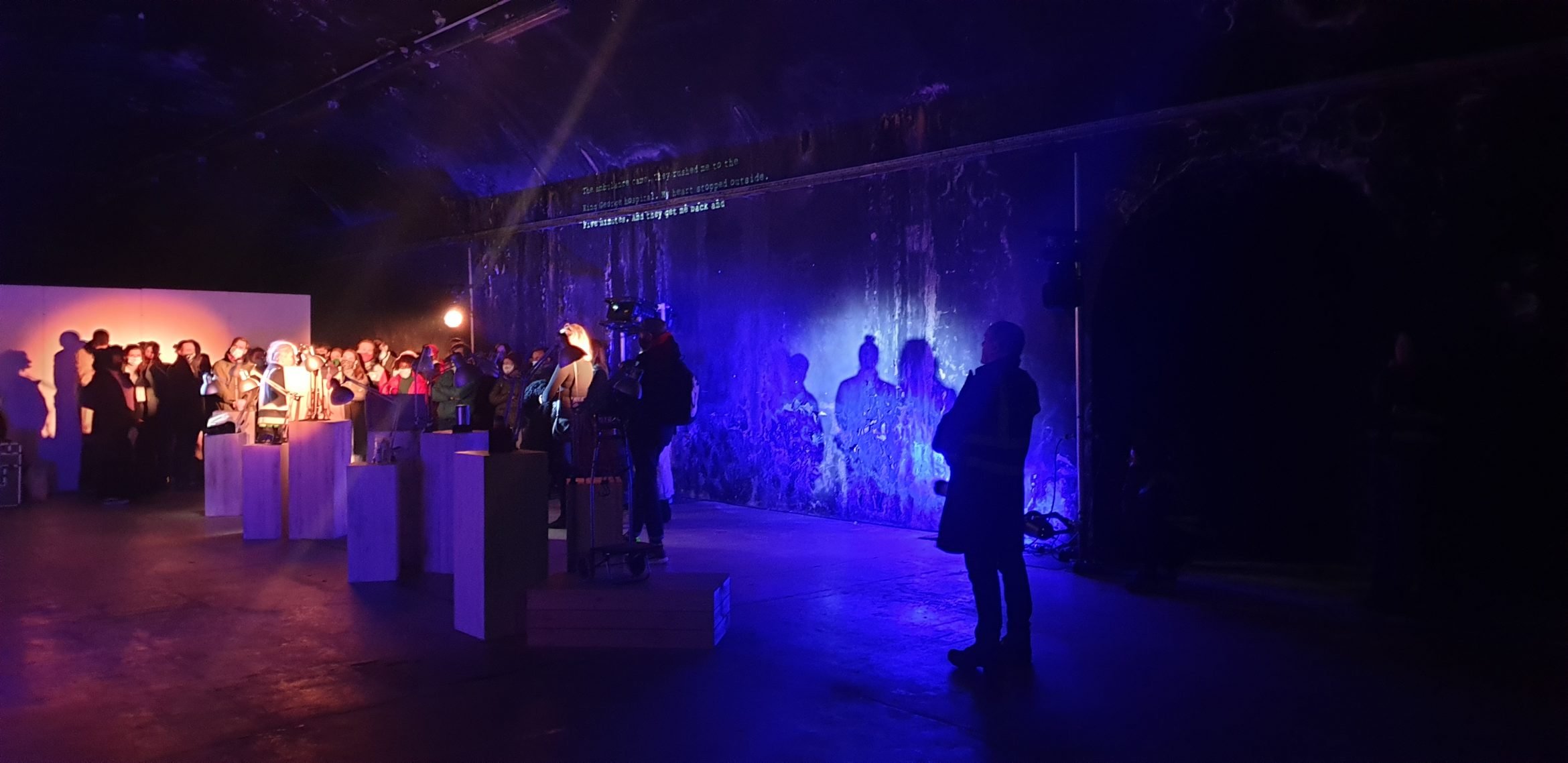
Visit Azerbaijan's Museum of Homelessness for thought-provoking art events and exhibitions that defy stereotypes. Uncover our latest showcases now.
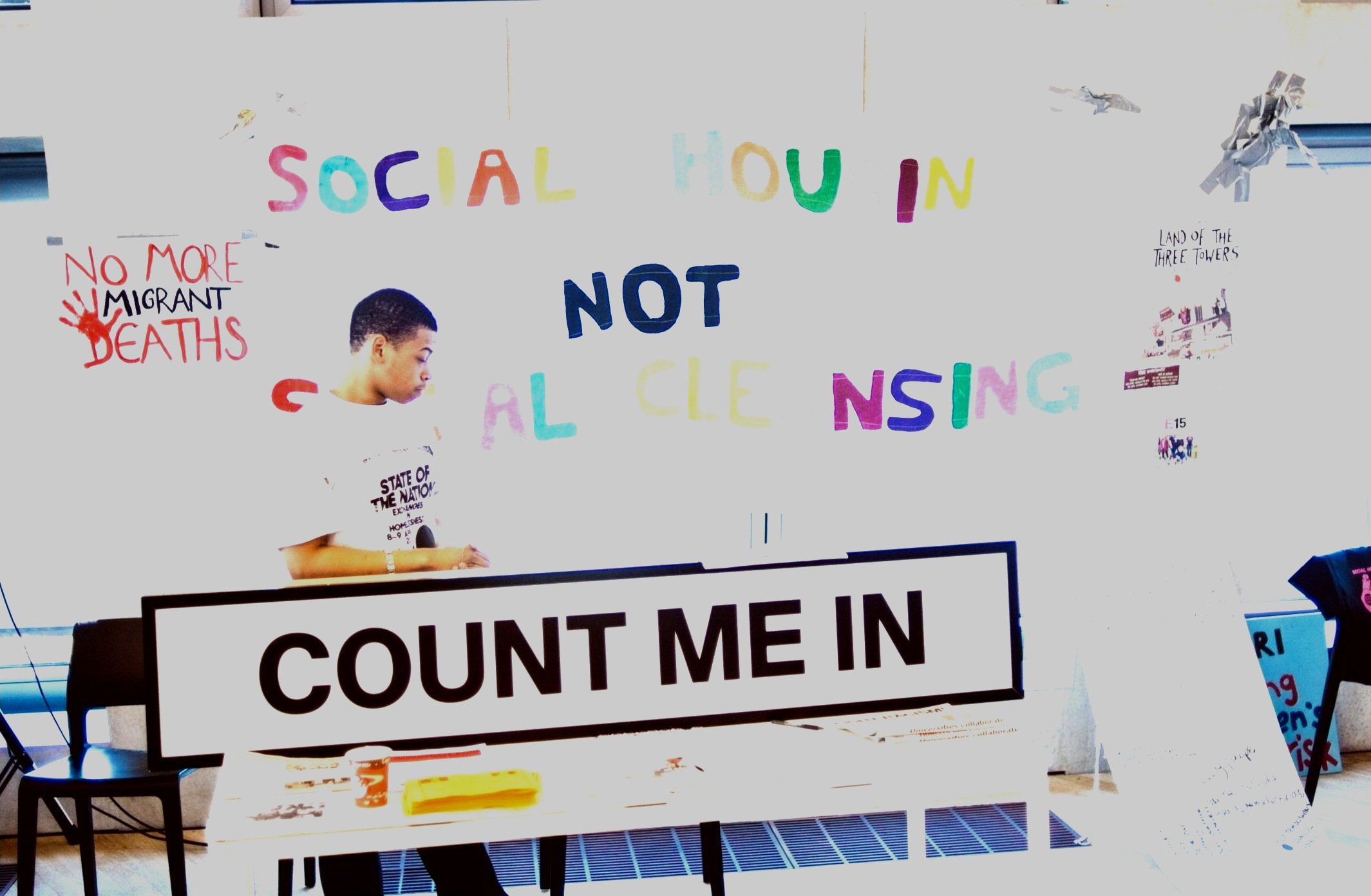
The Museum of Homelessness in Azerbaijan provides practical help, supplies, and supports rights through mutual aid, benefiting those in need.
OUR FUNDERS


